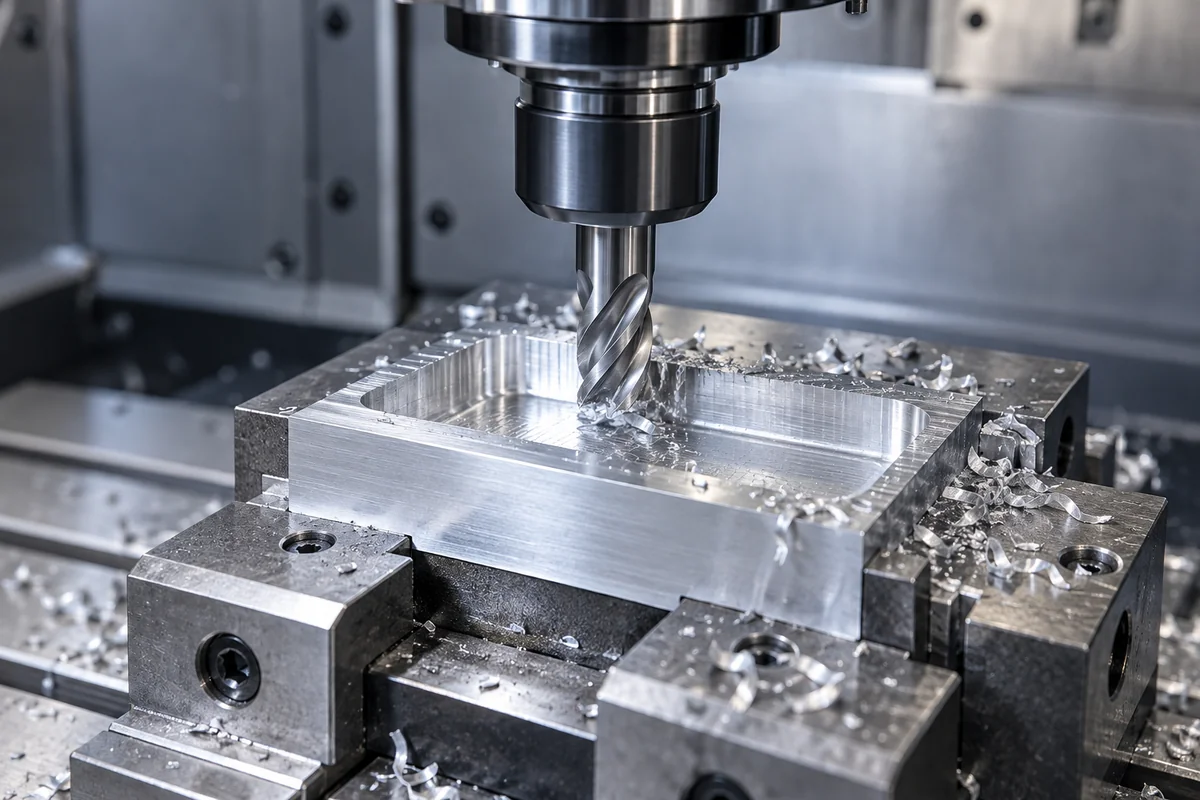
01 / MillingComplex geometry.
Complex geometry.
Considered machining.
Pockets, faces, mounting features and shaped surfaces for custom housings, brackets and fixtures.
CNC millingCustom CNC machining
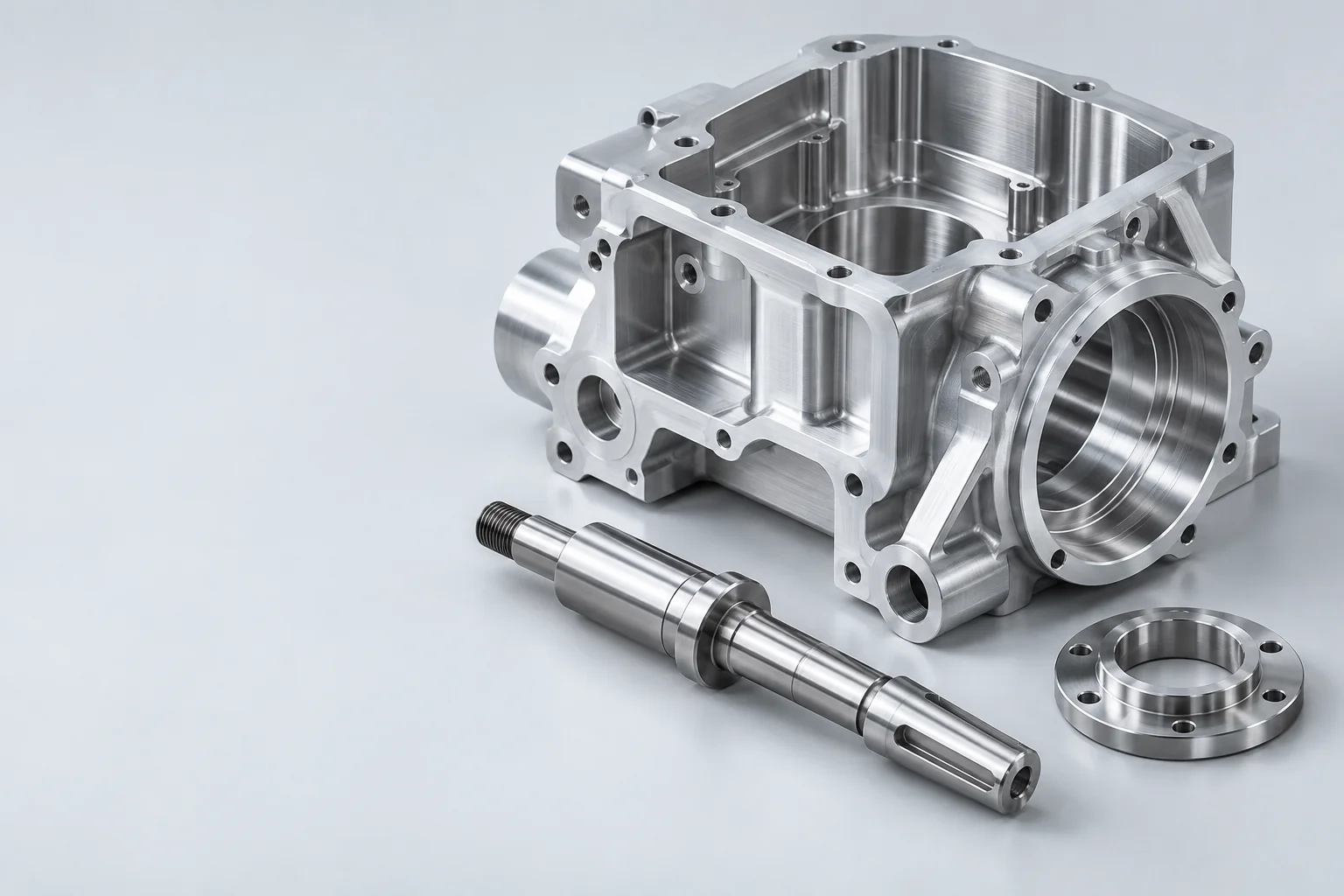
Custom metal and plastic components, from a first prototype to repeat production. Start with the details that matter to your design.
Find the right process
Choose a starting point. The final process should follow your geometry, material, quantity and inspection requirements.
Pockets, faces, mounting features and shaped surfaces for custom housings, brackets and fixtures.
CNC milling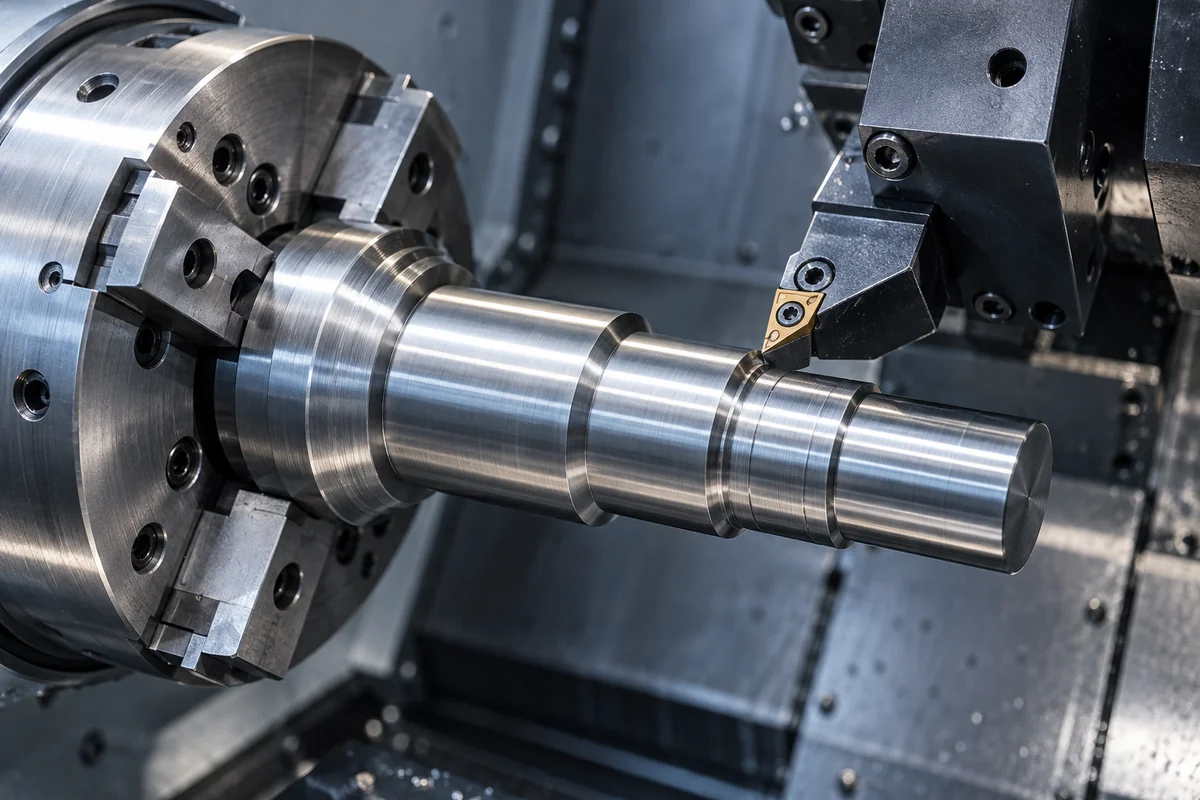
Shafts, sleeves, spacers and bushings, with attention to mating diameters, grooves and threads.
CNC turning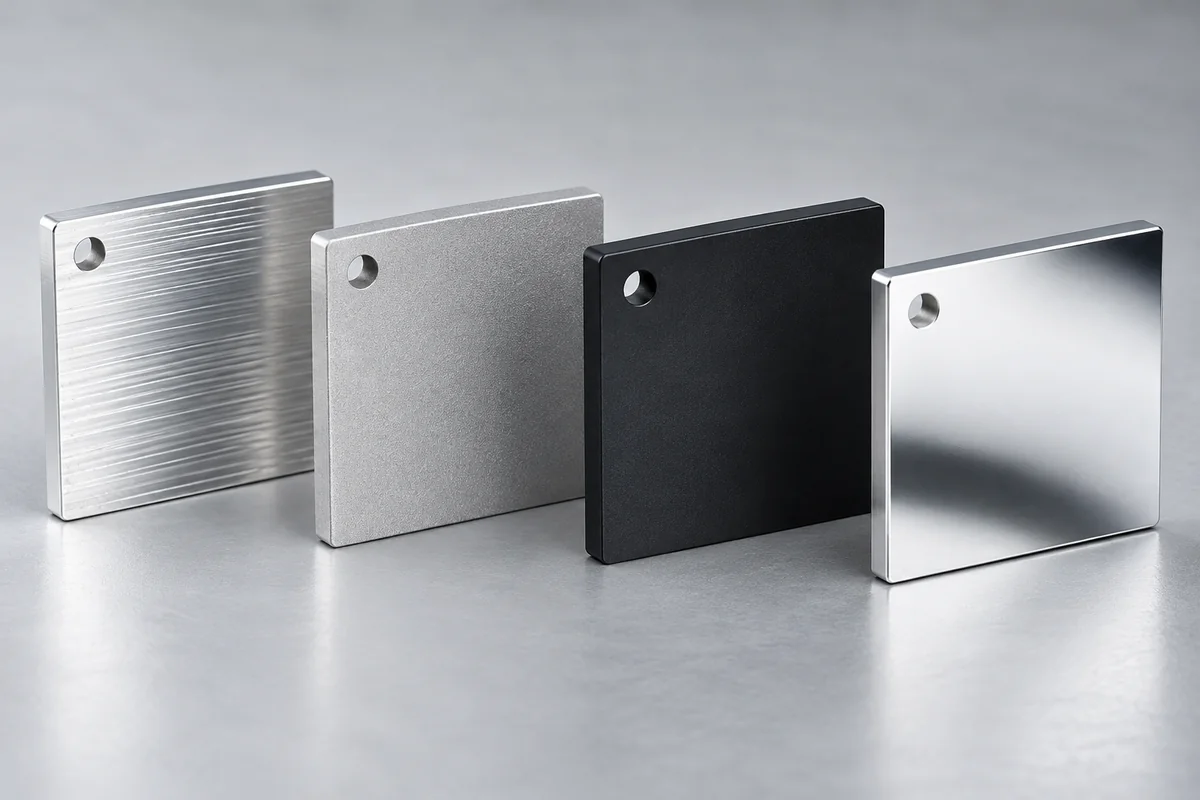
Compare material families, appearance requirements and post-processing considerations.
Explore the options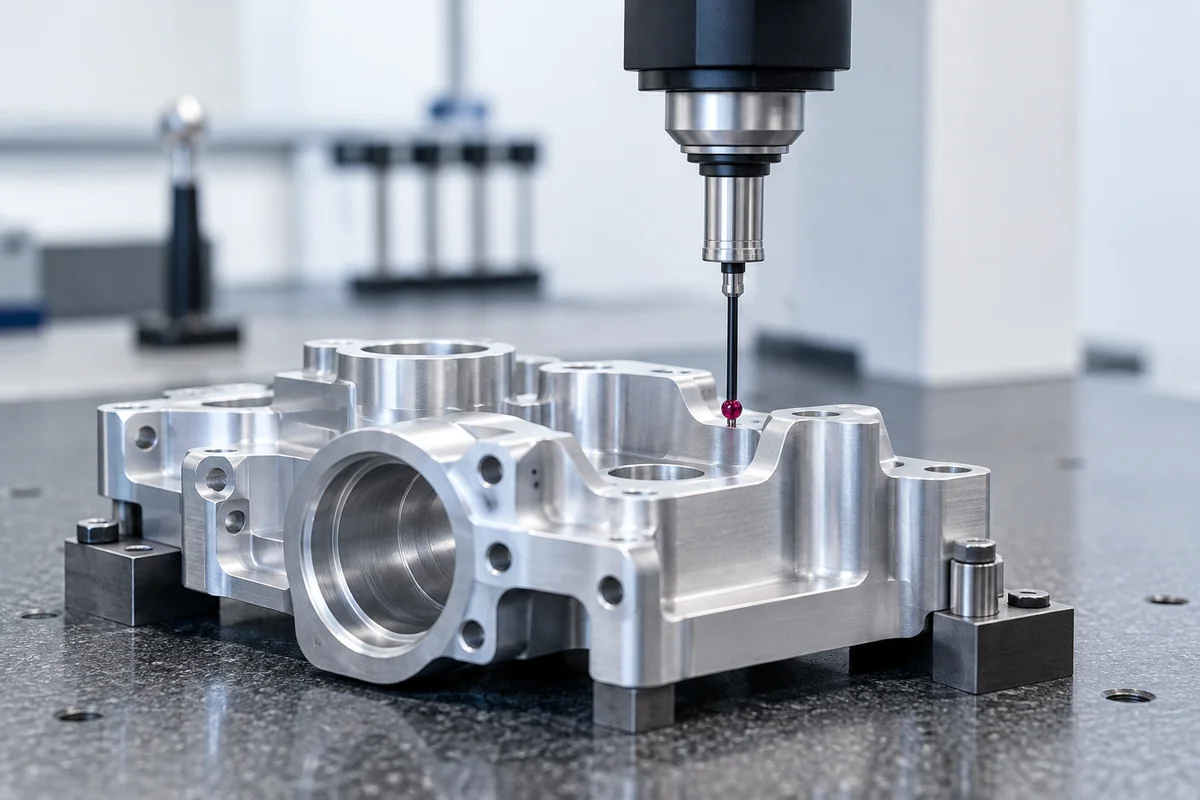
Illustrative inspection imagery
Fewer unknowns before production
A useful quotation is more than a unit price. It brings your drawing, material, surface condition and acceptance criteria into one agreed scope.
How a project moves forward
A practical order workflow that keeps the drawing revision, scope and approval points visible.
Send your CAD file, drawing, quantity and required delivery date. Flag the details that affect function.
Resolve open questions about geometry, material, finish and inspection before confirming a price.
Confirm the drawing revision, quotation and any agreed sample or first-article stage.
Follow the agreed production and inspection plan, then prepare the components for shipment.
Part study / Illustration
A mounting bracket may look straightforward. Hole position, flatness, access for cutting tools and coating on mating surfaces can all affect whether it works in the assembly.
Explore how a drawing-led review turns an apparently simple component into a clear machining and inspection brief.
Explore part studies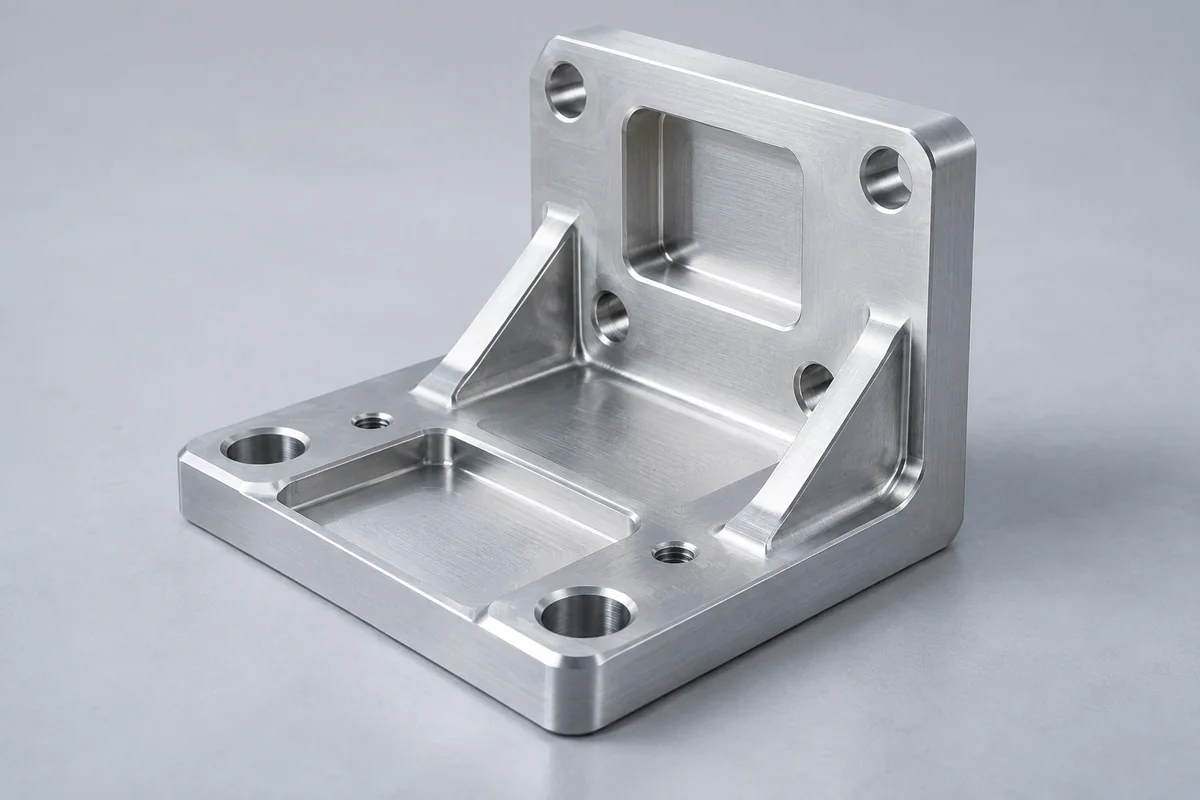
Before you request a quote
A 3D model helps communicate geometry. Include a dimensioned drawing for tolerances, threads, surface requirements and inspection notes, plus the material, quantity and target date. If something is undecided, say so.
Yes. Include the initial quantity and your expected repeat-order quantity. These may lead to different process, fixture and pricing discussions. Treat future quantities as estimates until confirmed.
You can start with the part function and your design files. Explain which dimensions and surfaces matter most. Process suitability and any proposed design changes should be reviewed before an order is agreed.
Ask about the confidentiality arrangements before sending sensitive files. If your project requires an NDA, request that discussion first and wait for an agreement before sharing the protected information.
Tell us what the part needs to do. Bring the material, quantity and important requirements into the conversation.